Blog 8 min read
Final 2026 decree: the key changes explained
A clear summary of the real changes in Spain regularization 2026: legal structure, criminal records, vulnerability proof and what to prepare now.

In this article
- The first correction that matters: how the final rule is built
- What did not change at the core
- The change that bites hardest: criminal records
- The other practical shift: vulnerability now has a tighter shape
- What happened after the BOE and why it matters
- What you should correct in your strategy now
- What really changed
The short answer is this: the final decree kept a real path open, but made it more technical than many people understood on April 15. The opportunity is still there. The room for filing a weak case and hoping to sort it out later is much smaller now.
The first correction that matters: how the final rule is built
Part of the public conversation froze on an incomplete reading of the text. The final BOE version did not leave everything inside one new temporary rule. It built the system around two separate additional provisions in the immigration regulation:
- additional provision 20, for people who applied for international protection
- additional provision 21, for the extraordinary route aimed at undocumented migrants with a qualifying basis
That matters because you are not dealing with a political headline. You are entering an administrative process with two tracks, two types of fit, and several formal filters that later show up inside the file.
What did not change at the core
The basic logic is still the same. For the general extraordinary route, a person still has to support four points:
- they were already in Spain before January 1, 2026
- they stayed in Spain without interruption during the required period
- they do not carry criminal or public-order issues that block the route
- they fit one specific legal basis and can prove it
None of that became optional after publication. The difference is that we now have both the final legal text and the real operating criteria.
The change that bites hardest: criminal records
This is where the gap between early chatter and actual practice becomes obvious.
The general rule is no longer to file with vague statements and wait. The Administration wants an official certificate from the country of origin and, where relevant, certificates from other countries where the person lived in the five years before entering Spain.
That shifts the whole file:
- it changes your real calendar
- it forces you to deal with legalization and translation early
- it makes rushed filing much more fragile
The decree still kept an exceptional route when the certificate has not arrived after one month, but it is not a comfortable fallback. It triggers a diplomatic path and can add time. The sensible move is still to treat the criminal-record block as a priority, not as a final step. We explain that in criminal records and regularization 2026.
The other practical shift: vulnerability now has a tighter shape
Two days after publication, the Ministry released the vulnerability certificate model and clarified who actually needs it.
That changed the practical reading:
- not everyone has to file that certificate
- people entering through the specific vulnerability route do need it
- people using the work route, family route or international-protection route should not be filing it
That sounds technical, but it already affects real files. In many places the bottleneck is not uploading the form. It is obtaining the document that turns vulnerability into an administratively recognizable category.
What happened after the BOE and why it matters
April 15 was only the legal starting point. What followed changed the useful conversation.
On April 16 the portal and appointment system opened. That same day the fast court challenge hit a wall and the Supreme Court refused the urgent suspension request. The process did not stop.
On April 17 two practical signals arrived:
- 13,500 online applications in the first full day
- publication of the vulnerability certificate model
On April 20 and 21 the in-person network began operating. The Ministry fixed it at 436 offices. At that point a new law turned into a real logistics problem: appointments, queues, referrals, and territorial differences.
By April 24 the Ministry was already talking about more than 130,000 applications. At that stage the question was no longer whether the measure was serious. The question became how much the system could absorb and which files would enter better prepared.
What you should correct in your strategy now
Three things.
First, stop thinking about the decree as breaking news. It is now a live procedure with real friction.
Second, organize the file by blocks. Identity, cutoff-date proof, continuity, criminal records, and your legal basis. Anything that does not fit one of those folders usually creates more noise than value.
Third, review whether this route is still your best route. Not out of distrust. Out of fit. In some cases the extraordinary regularization clearly wins. In others, arraigo is still better built. That comparison is in 2026 regularization vs arraigo.
What really changed
The important shift is not only legal. It is practical.
The final decree lets you file. The operational phase forces you to file well.
That is where the difference now sits between a folder that moves and a folder that comes back with problems.
Sources
Quick questions
Is the final decree stricter than earlier drafts?
Yes, especially on criminal records and vulnerability proof. The final version leaves less room for weak files that hope to be fixed later.
Do you still need to have been in Spain before 2026?
Yes. For the extraordinary route, the general cutoff remains before January 1, 2026.
Can I apply if I already have another immigration file in progress?
Usually no, or not without reviewing the exact situation first. The decree limits overlaps with other residence or stay procedures, with some important exceptions.
Keep reading
The same mistakes keep repeating.
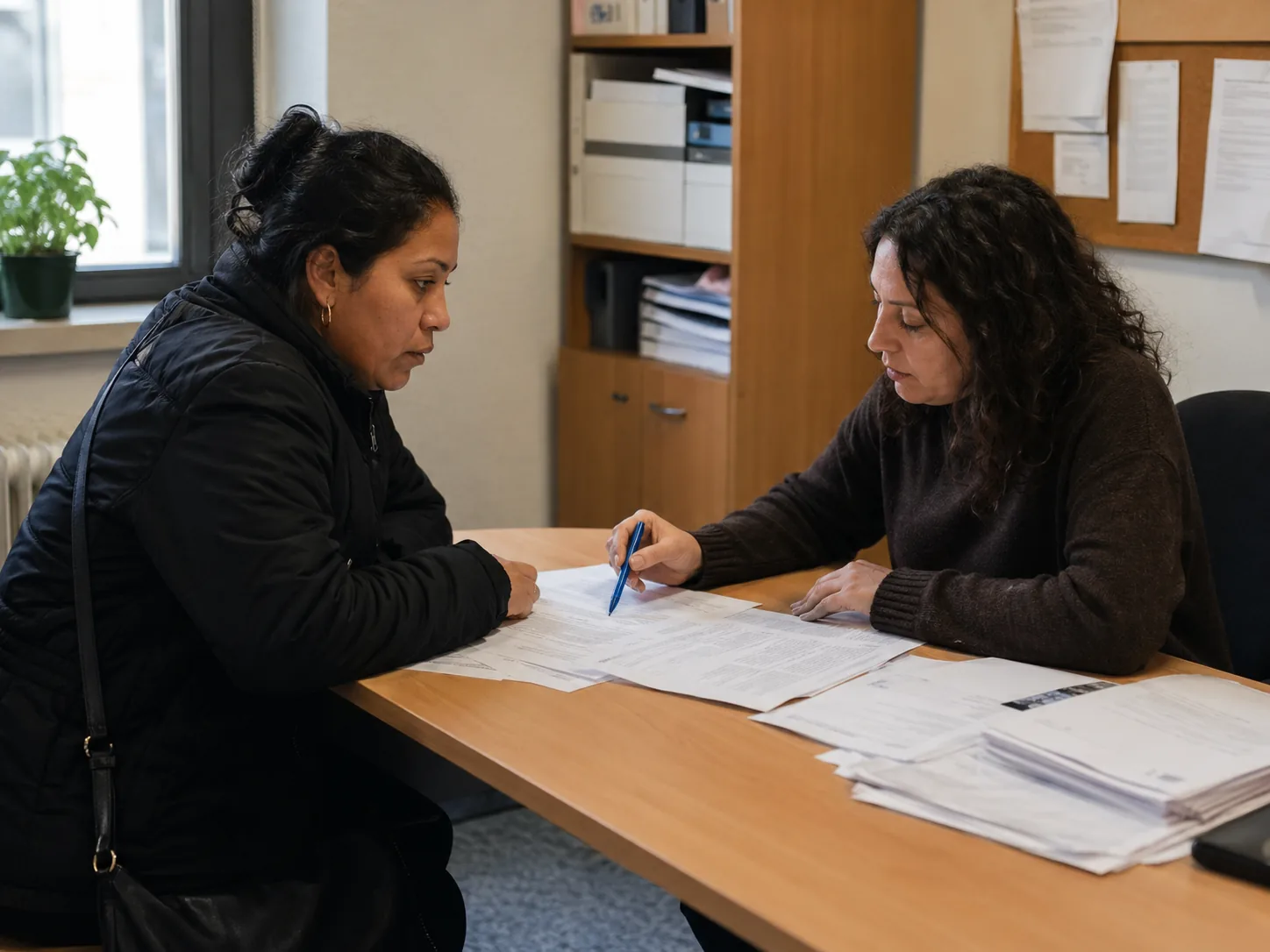
Vulnerability certificate for Spain regularization 2026
Who needs the vulnerability certificate for Spain regularization 2026, who does not, who can issue it, and why it is becoming a bottleneck.
- Regularization 2026
- Vulnerability
- Documents

What has happened since Spain regularization 2026 opened
What has happened since Spain regularization 2026 opened: portal, offices, Supreme Court, vulnerability certificate and the first real numbers.
- Regularization 2026
- Updates
- Appointments

Documents needed for Spain regularization 2026
A practical checklist of documents for Spain regularization 2026: identity, cutoff-date proof, continuity, criminal records and vulnerability proof when needed.
- Regularization 2026
- Documents
- Filing strategy